Parkour Stealth and Photo-Based Exploration in Urban Ruins
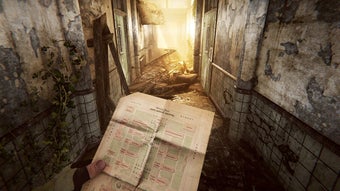
Urban Explorer, developed by Woodland Games, places players in first-person urban exploration where trespass and discovery drive play. The game combines agile parkour movement with stealth and atmospheric horror, sending players into decaying hospitals and secret facilities to document findings. It includes a detailed photography system, environmental puzzles, survival hazards, and technical gear such as drones and gas masks. Fans of urbex, parkour-based movement, and non-combat exploration games get a focused, movement-heavy experience rooted in the subculture's aesthetics.
What kind of game is this?
So, you start inside forbidding, abandoned structures where trespass is the main motivation and documentation is the reward. The game is a first-person exploration title that pairs parkour-driven movement with stealth and ambient horror, sending players into hospitals, industrial sites, and secret facilities to photograph and catalogue findings. Thus, the core loop emphasizes navigation, avoidance of security systems, and uncovering layered environmental storytelling without direct combat.
How does movement and stealth shape exploration?
Parkour is not decorative: the advanced movement system enables wall jumps, climbs, and agile escapes that open hidden paths and shortcuts. Stealth mechanics demand careful timing to bypass guards and motion sensors while specialized tools, including drones, gas masks, lockpicks, and electronic devices, change how you approach puzzles and locked areas. Environmental hazards such as collapsing floors and hazardous substances force a balance between speed and caution during runs.
What does the game look and sound like?
The presentation leans on decay and detail to tell stories without characters speaking, with varied locations from hospitals to top-secret facilities delivering a worn, photographic aesthetic. The photography system converts exploration into measurable progress, encouraging careful framing and cataloguing. Sound design supports tension with environmental creaks, distant alarms, and muffled atmospherics, while UI elements emphasize gear management and camera menus rather than HUD clutter, keeping attention on observation and movement.
The game rewards patient solo players, but expect development patience
The game fits players who prefer solitary, contemplative sessions and detailed observation, and who bring patient attention to each run. Community discussion points to a lengthy development cycle, so those expecting quick follow-ups or frequent updates should temper expectations. Players willing to accept that timeline gain a rich, atmosphere-centered experience; those seeking immediate, action-driven content may find the pace unsuitable.